Software company MYOB improved its existing products and internal tools with AI. The result was safer testing, stronger trust and clearer evidence of what works.
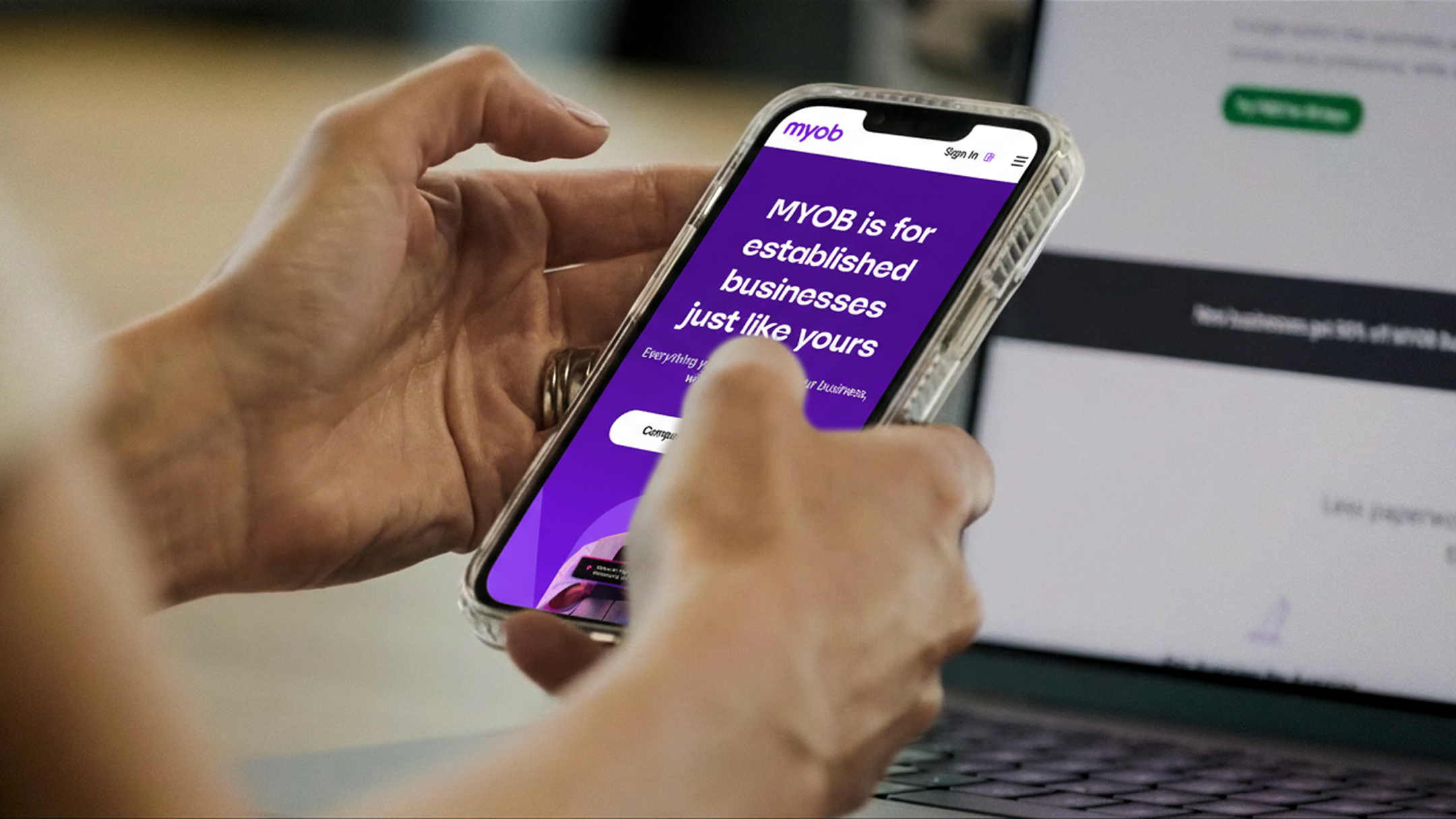

Software company MYOB improved its existing products and internal tools with AI. The result was safer testing, stronger trust and clearer evidence of what works.
MYOB provides software for small to medium businesses. Its products help people manage accounting, payroll and daily business tasks.
As AI tools became more common, MYOB saw opportunities to improve its products, customer service and internal work.
But this also raised questions about:
MYOB was guided by a clear goal – helping customers save time by reducing routine admin work.
To support this, MYOB started with clear rules and checks before scaling AI use. They reviewed each idea in 2 ways:
A cross-functional team with technology, cyber security and legal expertise helped guide decisions and build business cases.
Rather than starting with new tools, the team focused on improving existing workflows.
They tested early ideas using simple methods, such as:
This helped the team understand what worked before expanding further.
The team also matched security controls to the level of risk. Internal tools allowed lower-risk testing with fewer controls. Customer-facing features needed stronger testing, more safeguards and ongoing monitoring.
Organisation-wide training helped build staff capability and confidence.
MYOB’s approach let them scale AI in a way that balances innovation with responsibility.
The work focused on improving existing services. It addressed common customer pain points, including the time and effort required to understand business data and complete BAS tasks.
AI is applied in practical ways through:
MYOB’s experience shows AI works best when teams set clear rules, improve existing work first, and use evidence to guide next steps.